The location for your EV charger affects more than most homeowners expect. A poor choice can lead to daily inconvenience, higher installation cost, or avoidable safety issues. A good choice feels invisible. You park, plug in, and move on with your day.
Houston homes face a few specific challenges. Heat affects outdoor equipment. Garage layouts vary widely. Electrical panels are often placed far from parking areas.
Some homes were built long before electric vehicles were common. These details matter when planning an EV charger at home.
This article explains how to choose the right location for a home EV charger installation. It focuses on real use, safety, and long-term reliability. The goal is to help you make a decision that works now and still makes sense years from now.
Quick Takeaways
• The best location for your EV charger depends on where you park each day, not where space happens to be available.
• Garage installations usually offer better protection from the elements and lower installation cost.
• Outdoor EV chargers require weather-rated equipment and careful placement to handle Houston heat and moisture.
• Distance from the electric panel affects wiring complexity and overall installation cost.
• Charger placement should align with the vehicle’s charging port to avoid cable strain and daily frustration.
• Poor placement can create safety issues, trip hazards, and long-term reliability problems.
• A licensed electrician helps choose a location that supports safe, code-compliant EV charger installations.
Start With Where You Park Your EV
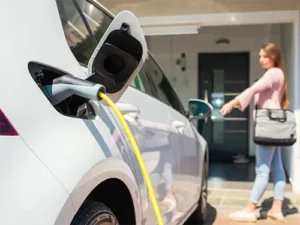 The best place to install an EV charging station starts with a simple question. Where do you park every day?
Not where you might park someday. Not where the charger looks good on a wall. Where the vehicle EV actually sits most nights.
If you park in the garage, that usually becomes the starting point. If you park in the driveway, the decision changes. Exterior wall installs may make sense when garage access is limited.
Problems start when the charger location ignores daily habits. Long charging cable stretches feel minor at first. Over time, they become frustrating and unsafe.
Charging at home should fit into your routine without effort. The charger should meet the car where it already is.
Garage EV Charger Installation
Garage installations work well for many homes. They offer protection from the elements and limit exposure to heat, rain, and debris. The electrical work is often simpler, especially when the electric panel sits nearby.
Garages also make inspections easier. Cables stay off walkways. Chargers remain protected from accidental impact. For many homeowners, this is the cleanest solution for a home EV charger installation.
When a Garage Installation Makes the Most Sense
An attached garage near the electric panel reduces wiring distance and installation cost. Consistent parking orientation helps keep the charging cable short and manageable. Minimal obstructions allow the charger to stay accessible without blocking storage or movement.
Outdoor EV Charger Installation
Outdoor installations work when garages are unavailable or impractical. Many Houston homes rely on driveways or side parking. In these cases, an outdoor EV charger at home may be the best option.
Outdoor chargers must handle heat and moisture. Equipment needs proper ratings for weather exposure. Placement matters.
The charger should avoid direct sun when possible and stay clear of areas that flood or collect water. Mounting height and clearance help keep the charger safe and usable.
Outdoor Installation Mistakes to Avoid
Mounting the charger too low increases exposure to water and damage. Blocking walkways creates trip hazards. Ignoring drainage and heat exposure shortens equipment life and leads to maintenance issues.
Distance From the Electrical Panel Matters
 The distance between the charger and the electric panel affects more than convenience. Longer wire runs require more material and labor. Trenching or conduit may become necessary. These factors increase installation cost and complexity.
Panel location often influences the final charger placement. Sometimes the best parking location conflicts with the best electrical route. A licensed electrician can consider these factors. They can suggest a location that keeps the electrical system stable and avoids extra work.
Match the Charger Location to Your Vehicle
Electric vehicles do not share the same charging port location. Some ports sit on the front. Others sit on the side or rear. Cable length limits how flexible placement can be.
A charger placed without considering the vehicle leads to awkward parking or stretched cables. Over time, this creates wear and daily annoyance. Matching the charger location to the vehicle’s design keeps charging simple and predictable.
Safety, Clearance, and Code Requirements
Safety rules exist for practical reasons. Walkways should stay clear. Charging cables should not cross paths or drive areas. Mounting heights and spacing protect both people and equipment.
NEC compliance guides these rules. Permits and inspections confirm that the installation meets local standards. Following these requirements protects the home’s electrical system and reduces liability.
Planning for Future EVs and Electrical Needs
Many homeowners plan for one EV and end up with two. Others add larger vehicles or new electrical systems later. Charger placement affects how easily a home can adapt.
Leaving room for future upgrades saves time and cost. Choosing a flexible location helps support additional electrical work. Planning ahead keeps the home ready as electric vehicles become more common.
Frequently Asked Questions
Is it better to install an EV charger indoors or outdoors?
Indoor installations offer better protection and lower exposure to heat and weather. Outdoor installations work when garages are not available but require proper equipment and placement.
Can I install an EV charger in my driveway?
Yes, if the charger is weather-rated and placed safely. The location must avoid walkways and protect the charging cable.
How far can an EV charger be from the electrical panel?
Chargers can be installed at varying distances, but longer runs increase cost and complexity. Panel location often influences placement decisions.
Does charger location affect charging speed?
Location does not change charging speed, but improper placement can affect reliability and ease of use.
Do Houston codes limit where an EV charger can go?
Yes. Permits and inspections apply to most installations. Local codes guide placement, wiring, and safety requirements.
Schedule Your EV Charger Installation with Right Touch Electrical
 Right Touch Electrical serves Houston and surrounding areas with professional EV charger installations. We help homeowners pick the best location, handle permits, and do clean, safe electrical work for long-term use.
For EV charger placement done right the first time, trust Right Touch Electrical for quality with a master’s touch.