Junction boxes exist because electrical systems need order and protection. Most homeowners never notice them, and that is the point. When they work as intended, they stay hidden and do their job quietly.
A junction box protects electrical wires where they connect, branch, or change direction. It keeps those connections contained. It limits exposure to heat, sparks, and movement.
It also protects people from contact with live electrical parts. When junction boxes are missing, damaged, or buried, problems follow. Those problems often show up during lighting projects.
This article explains what junction boxes do, why codes require them, and why light fixtures depend on them. It also explains where they are used, how they protect your wiring system, and when professional installation matters.
Quick Takeaways
• Junction boxes protect electrical connections and prevent exposed wire splices.
• Electrical codes require junction boxes anywhere wires connect or branch.
• Junction boxes reduce the risk of electrical fires by containing heat and sparks.
• Most light fixtures must be mounted to an approved junction box for safety and support.
• Junction boxes must remain accessible and covered at all times.
• Using the correct junction box helps ensure code-compliant light fixture installation.
What Do Junction Boxes Do?
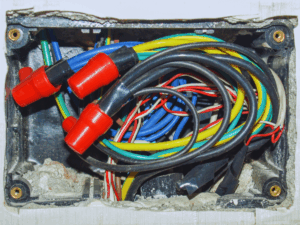 A junction box is a protective enclosure that houses electrical connections. It holds spliced wires, wire nuts, grounding wires, and cable clamps in one secure space. This enclosure keeps electrical connections from moving, pulling apart, or touching materials that can burn.
Junction boxes protect electrical wires from damage and moisture. They reduce the risk of electrical shock and short circuits by keeping live connections sealed. They also organize the wiring system so circuits can branch safely to outlets, light switches, and fixtures.
In simple terms, electrical junction boxes act as safety containers. They keep electrical connections controlled, protected, and inspectable.
Why Junction Boxes Are Required by Electrical Code
Open splices create danger. Exposed electrical connections can spark, heat up, or loosen over time. When this happens outside a box, the risk of electrical fire increases.
Local building codes and the National Electrical Code NEC require junction boxes anywhere wires connect. The box contains heat and sparks if a fault occurs.
It also keeps combustible materials away from electrical connections. A solid cover finishes the job by sealing the box and preventing accidental contact.
Codes also require junction boxes to be secured to framing and sized correctly. Box sizes matter because crowded wiring traps heat. Proper mounting keeps connections stable for the life of the electrical system.
Do Light Fixtures Need Junction Boxes?
Yes. Most light fixtures require a junction box. The box protects the wiring and supports the fixture. It gives electricians a safe place to connect fixture wires to the home’s electrical wires and grounding wires.
Light fixtures should never hang from wiring alone. The junction box holds the weight and keeps the electrical connections secure. This applies in both residential and commercial buildings.
When a Light Fixture Must Have a Junction Box
Ceiling-mounted fixtures rely on junction boxes for support and wiring protection. Wall-mounted sconces also need a box to anchor the fixture and contain connections.
Outdoor and exterior lights require weather-rated boxes protective against moisture. Heavy or decorative fixtures may need special box ratings to handle the load safely.
What Happens When a Light Fixture Has No Junction Box?
 Without a junction box, electrical connections remain exposed. Wire nuts may loosen. Grounding wires may disconnect. Heat builds in places not designed to handle it.
Fixtures without boxes often feel loose or unstable. They may fail inspections. During resale, hidden or missing boxes raise concerns and delay transactions. Over time, these setups increase the risk of electrical fire and electric shock.
A fixture without a junction box may work for a while. That does not mean it is safe.
Types of Junction Boxes Used for Lighting
Several types of junction boxes support lighting projects. Standard plastic or metal junction boxes handle basic fixtures. You often find metal junction boxes in commercial buildings or where conduit systems are used.
Ceiling-rated boxes support light fixtures mounted overhead. Fan-rated boxes look similar but handle more weight and movement. These are not interchangeable.
Weatherproof boxes protect outdoor lights from moisture and debris. Choosing the correct box depends on fixture weight, location, and exposure.
Where Junction Boxes Are Commonly Found in Homes
Junction boxes appear behind ceiling and wall fixtures. They sit above light switches and inside walls. In attics and crawl spaces, they house splices where circuits branch. Garages and basements often contain exposed boxes with covers.
Outdoor lighting locations use junction boxes rated for exterior use. In all cases, accessibility matters. Boxes must remain reachable without cutting drywall or removing finishes.
Junction Box Accessibility Rules Homeowners Miss
Junction boxes cannot be buried. They cannot sit behind drywall, paneling, or cabinets. Covers must stay visible and removable. These rules exist so electricians can inspect and repair electrical connections safely.
Hidden boxes create problems during inspections. They also slow down repairs and increase labor costs. More importantly, they trap faults where no one can see them.
Why Professional Installation Matters for Light Fixtures
Installing light fixtures involves more than attaching wires. The electrician must choose the right box, confirm box sizes, secure it to framing, and support fixture weight. They must make clean electrical connections and confirm grounding.
Professional installation ensures compliance with local building codes and NEC rules. It also ensures the fixture remains stable and safe over time. Poor box selection or mounting often leads to repeat issues and higher repair costs later.
Frequently Asked Questions
 What do junction boxes actually protect?
They protect electrical connections, wires, and grounding points from heat, movement, moisture, and contact.
Can a light fixture work without a junction box?
It might work, but it is not safe or code-compliant.
Are junction boxes required for all light fixtures?
Most are required to use a junction box, especially ceiling, wall, and outdoor fixtures.
Can junction boxes be hidden behind drywall?
No. Junction boxes must remain accessible at all times.
Is a junction box strong enough to hold a heavy light?
Only if it is rated for the fixture weight. Some fixtures need fan-rated or reinforced boxes.
Schedule Professional Light Fixture Installation with Right Touch Electrical
Right Touch Electrical serves Houston and surrounding areas with safe, code-compliant lighting installations. We select the correct junction boxes, secure them properly, and complete clean electrical work that holds up over time.
For light fixture installation done safely and correctly, trust Right Touch Electrical for quality with a master’s touch.