Smoke detectors detect smoke and provide earlier warning of most fires. Heat detectors activate only after the surrounding temperature reaches a certain level or rises rapidly.
Smoke detectors protect living areas. Heat detectors are designed for places where smoke detectors are more likely to cause false alarms, such as garages and unfinished attics.
Although both devices help detect fire, they work differently and serve different purposes. One is not a replacement for the other. Knowing where each should be installed helps provide better protection throughout your home.
Quick Takeaways
• Smoke detectors respond to smoke before temperatures become dangerously high.
• Heat detectors activate when temperatures reach a preset level or rise rapidly.
• Smoke detectors belong in bedrooms, hallways, and living areas.
• Heat detectors work well in garages, unfinished attics, and some utility rooms.
• Heat detectors supplement smoke detectors—they do not replace them.
• A licensed electrician can recommend the right detector for every room in your home.
Smoke Detector vs. Heat Detector
Smoke detectors sense smoke particles and usually provide the earliest warning of a fire. Heat detectors activate only when temperatures reach a preset level or rise quickly. Smoke detectors are best for living areas, while heat detectors are better suited for garages, attics, and other areas where smoke alarms may experience frequent false alarms.
| Feature | Smoke Detector | Heat Detector |
|---|---|---|
| Detects | Smoke particles | High temperatures |
| Warning Speed | Earlier | Later |
| Best For | Living areas | Garages, attics |
| False Alarms | More likely | Less likely |
| Purpose | Life safety | Property protection |
What Is a Smoke Detector?
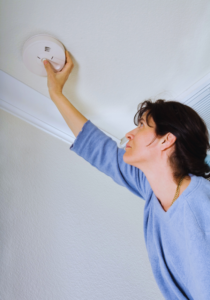 A smoke detector is designed to detect smoke before flames cause temperatures to rise significantly. This early warning gives your family more time to escape during a fire.
Most homes use one of two types of smoke detection:
- Photoelectric smoke alarms respond when smoke enters the sensing chamber and blocks a light beam. They are generally better at detecting slow, smoldering fires.
- Ionization smoke alarms respond more quickly to fast-flaming fires by detecting changes in an electrical current.
Many modern smoke detectors combine both technologies for broader protection.
Smoke detectors should be installed:
- Inside every bedroom
- Outside each sleeping area
- On every level of the home
- In living rooms and finished basements
What Is a Heat Detector?
A heat detector responds to temperature instead of smoke.
Unlike a smoke alarm, it does not activate when smoke enters the room. Instead, it sounds an alarm after the surrounding temperature reaches a preset level or increases rapidly.
The two most common types are:
- Fixed-temperature heat detectors, which activate when a specific temperature is reached.
- Rate-of-rise heat detectors, which activate when the temperature rises unusually fast.
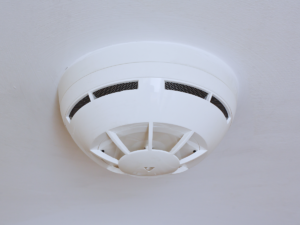 Because they don’t respond to smoke, heat detectors are often installed in areas where smoke detectors would experience frequent nuisance alarms.
Common locations include:
- Garages
- Unfinished attics
- Workshops
- Mechanical rooms
- Utility rooms
When Should You Choose a Smoke Detector?
Smoke detectors belong in areas where people spend time or sleep.
Recommended locations include:
- Bedrooms
- Hallways
- Living rooms
- Outside sleeping areas
- Finished basements
Because smoke is usually present before extreme heat develops, early smoke detection provides valuable time to leave the home safely.
When Should You Choose a Heat Detector?
Heat detectors are best suited for areas where smoke detectors may trigger a false alarm due to normal environmental conditions.
Common locations include:
- Garages
- Unfinished attics
- Workshops
- Mechanical rooms
- Areas with dust, humidity, or cooking fumes
These spaces often contain airborne particles, temperature swings, or exhaust fumes that can cause unnecessary smoke alarms.
Can You Use Both Together?
Yes. Smoke detectors and heat detectors are designed to work together. Smoke alarms provide the earliest warning in occupied areas. Heat detectors monitor locations where smoke detectors are more likely to cause false alarms. Using both creates more complete fire protection throughout the home.
Neither device replaces the other. Instead, they protect different parts of your home based on the conditions in each room.
Which Detector Is Better?
Neither detector is better in every situation.
A smoke alarms is the best choice for living areas because it provides earlier warning when smoke detection is critical for life safety.
A heat detector is the better choice for locations where smoke detectors are prone to nuisance alarms.
Most homes benefit from using both types in the appropriate locations.
Common Mistakes Homeowners Make
Homeowners sometimes reduce their home’s fire protection by installing the wrong detector or placing it in the wrong location.
Common mistakes include:
- Replacing a required smoke detector with a heat detector
- Installing smoke detectors too close to kitchens or bathrooms
- Ignoring repeated false alarms instead of relocating the detector
- Forgetting to test detectors every month
- Failing to replace smoke alarms after 10 years or according to the manufacturer’s recommendations
Choosing the right detector and keeping it properly maintained helps improve fire safety.
FAQ
Can a heat detector replace a smoke detector?
No. Heat detectors supplement smoke detectors but should not replace code-required smoke alarms in living areas or near bedrooms.
Should I install a heat detector in my garage?
Yes. Garages are one of the most common places for a heat detector because vehicle exhaust, dust, and temperature changes can trigger smoke detector false alarms.
Do kitchens need smoke detectors or heat detectors?
Smoke detectors should not be installed too close to cooking appliances because cooking smoke may trigger nuisance alarms. In some situations, a heat detector may be a better choice nearby, while smoke detectors should still be installed outside the kitchen as required by code.
Which detector responds to a fire first?
A smoke detector usually responds first because it activates when smoke enters the sensing chamber, long before temperatures become dangerously high.
Where should heat detectors be installed?
Heat detectors are commonly installed in garages, unfinished attics, workshops, mechanical rooms, and other areas where smoke detectors are not ideal.
How often should smoke and heat detectors be tested?
Test all smoke detectors and heat detectors at least once a month and replace them according to the manufacturer’s recommendations.
Protect Every Room With the Right Fire Detection
 Every room in your home has different fire risks, which is why choosing the right detector matters. Right Touch Electrical installs and replaces smoke detectors and can help determine whether a heat detector is appropriate for garages, attics, and other specialized areas.
If you’re planning to upgrade your home’s fire protection, learn more about our smoke detector installation services and let our experienced electricians help keep your family safe with quality with a master’s touch.