Home generator installation mistakes happen more often than people expect. Power outages create urgency. Houston heat adds pressure. Storms raise the stakes fast.
When the lights go out, small installation errors turn into real problems.
This article explains the most common home generator installation mistakes, why they happen, and how Houston homeowners avoid them.
Quick Takeaways
• Most home generator failures start with incorrect generator sizing that cannot support the home’s power needs.
• Skipping or miswiring transfer switches creates serious safety hazards and puts utility workers at risk.
• Installing a generator too close to the home increases carbon monoxide exposure and violates local code.
• DIY generator installation often fails inspections and violates Houston building codes.
• Choosing the wrong fuel type affects performance, maintenance, and fuel availability during a power outage.
• Permits and inspections are required for proper installation and long-term reliability.
• Professional installation protects warranties, insurance coverage, and ensures your generator works when needed.
Why Home Generator Installation Mistakes Are So Common
Many homeowners underestimate electrical work. Online advice makes installing a generator look simple. Sales-focused installs push equipment instead of systems. Local code adds another layer of risk.
A generator does not work alone. It ties into your electrical panel, fuel supply, grounding system, and safety controls. When one part fails, the whole system fails.
The Most Common Home Generator Installation Mistakes
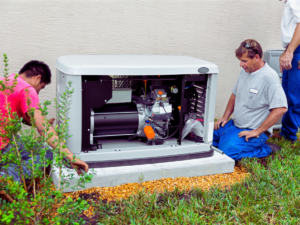 These mistakes show up again and again. They cause failures during a power outage. They also create long-term safety hazards.
1) Choosing the Wrong Generator Size
Generator sizing causes more problems than any other mistake. A generator that is too small cannot support your home’s power needs. A generator that is too large cycles poorly and wears out faster.
Square footage does not tell the full story. Appliances, HVAC systems, and electrical loads matter more. Proper installation starts with a full load calculation.
2) Skipping or Improperly Installing a Transfer Switch
Transfer switches protect your home and the power grid. Without one, backfeeding can send electricity into utility lines. That puts linemen at risk and damages equipment.
Manual and automatic transfer switches serve different needs. Improper wiring defeats their purpose. This mistake is common in DIY installs and unsafe every time.
3) Poor Generator Placement and Ventilation
A generator requires space and airflow. Placing a generator too close to the home traps exhaust gases. Carbon monoxide exposure follows.
Houston soil adds another concern. Flood-prone areas require elevated placement and drainage planning. Noise also matters. Poor placement causes neighbor complaints and code issues.
4) Ignoring Local Permits and Electrical Code Requirements
Building codes exist for a reason. Houston requires permits and inspections for permanent generator installs. Skipping them creates legal and insurance problems.
Unpermitted work often fails inspection later. Homeowners pay twice to fix it. Proper installation follows local code from the start.
5) Choosing the Wrong Fuel Type for Houston Homes
Fuel choice affects performance and reliability. Natural gas works well when supply remains stable. Propane offers storage flexibility. Diesel suits some applications but needs regular maintenance.
Fuel availability during outages matters. So does long-term upkeep. The wrong fuel choice limits your backup power solution.
6) Improper Grounding and Bonding
Grounding protects equipment and people. Improper grounding damages generators and connected devices. It also creates shock risks.
Houston soil conditions affect grounding effectiveness. Correct bonding and grounding ensure your generator operates safely over the long term.
7) DIY Installation or Hiring an Unqualified Installer
Electrical panels carry real risk. One mistake causes fires or equipment damage. DIY installs often void warranties and insurance coverage.
Professional installation protects your home and your investment. It also ensures your generator works when you need it.
8) Skipping Post-Installation Testing and Maintenance Planning
Installing a generator is not the end. Load testing confirms performance. Startup testing verifies controls. Regular maintenance keeps the system ready.
Skipping these steps leaves problems hidden until the next power outage.
What Happens When These Generator Installation Mistakes Go Unfixed
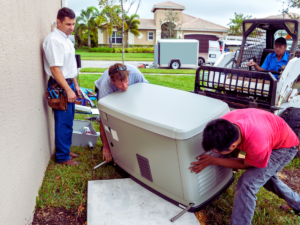 Small mistakes create big consequences. Power fails when it matters most. Equipment suffers damage. Fire and carbon monoxide risks increase. Legal and insurance problems follow.
These outcomes are avoidable.
How Professional Generator Installation Prevents These Issues
Professional installation starts with correct generator sizing. It follows local code and building requirements. Fuel systems match the home. Grounding protects equipment. Testing confirms operation.
The result is long-term reliability and peace of mind.
Home Generator Installation Mistakes FAQ
What is the biggest mistake homeowners make with generator installation?
Incorrect sizing. A generator that cannot handle your load fails during outages.
Can I install a home generator myself?
No. Standby generators require professional electrical work, permits, and inspections.
Do I need a permit to install a generator in Houston?
Yes. Houston requires permits and inspections for whole-home generators.
How far should a generator be from my home?
Generators must sit in a ventilated area with proper clearance to prevent exhaust buildup.
What happens if a generator is installed incorrectly?
Power failures, safety hazards, equipment damage, and insurance issues occur.
Does incorrect installation void my generator warranty?
Yes. Most manufacturers require professional installation to maintain coverage.
Get Generator Installation Done Right the First Time
 Right Touch Electrical provides professional whole-home generator installation throughout Houston and surrounding areas.
We size systems correctly, follow code, secure permits, and test everything before we leave — because quality with a master’s touch matters when your power matters most.