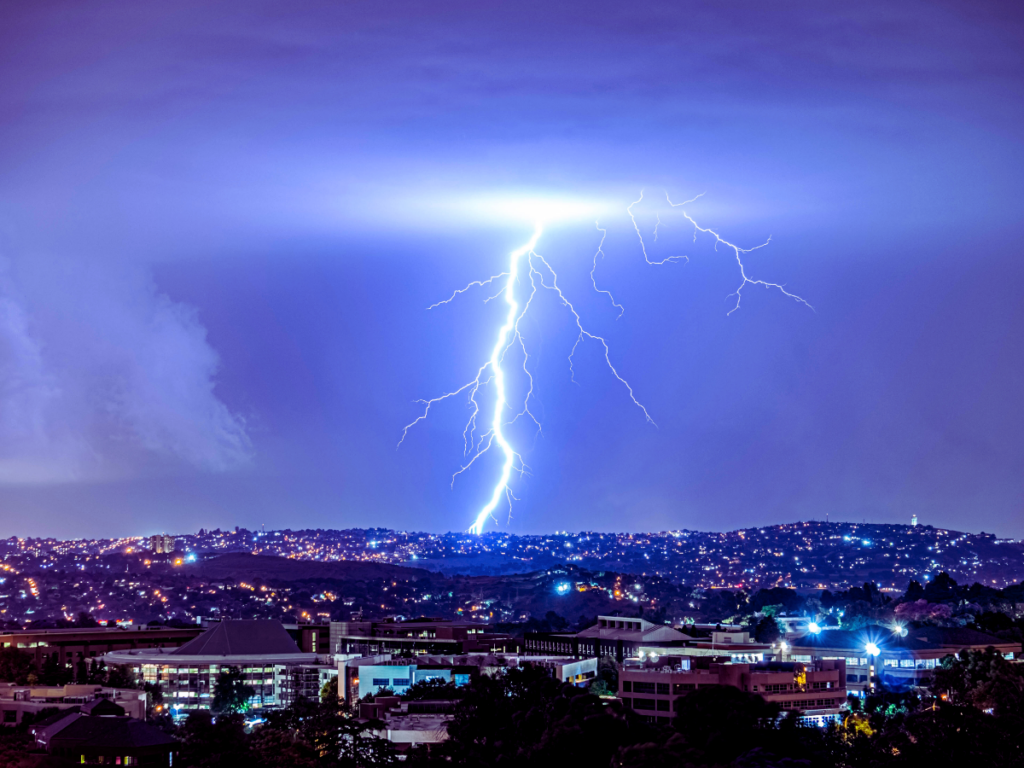
 Expert Home Surge Protection In Pearland
Have you noticed your lights flickering when a storm rolls through Pearland?
Or maybe your TV suddenly reset itself for no reason?
You’re not the only one dealing with this. According to the Electrical Safety Foundation International, a typical building experiences multiple power surges every day. That might sound alarming, but the good news is there’s a straightforward way to protect your home and everything plugged into it.
A Home Surge Protector In Pearland, TX, gives you real protection by guarding your wiring and expensive devices from voltage spikes. Texas led the nation in lightning events during 2025, recording 47 million strikes, which means homes in our area face a higher risk than many other states. I’ve seen too many families lose thousands of dollars on repairs because they didn’t have the right protection in place.
This guide is going to walk you through exactly how surge protection works, why your home needs it, and who you can trust to install it correctly. By the end, you’ll know the simple steps to take for better electrical safety, and you’ll have real peace of mind.
Let’s get started.
Key Takeaways
- Power surges in Pearland can damage electronics and appliances, with lightning strikes and faulty wiring as leading causes. According to Vaisala Xweather, the U.S. recorded 252 million lightning strikes in 2025, marking a 20% increase from 2024.
- Whole-house surge protectors installed at your main panel offer real protection, while standard circuit breakers cannot shield sensitive devices from voltage spikes. The Electrical Safety Foundation International reports that 60 to 80% of power surges actually originate within your home from large appliances turning on and off.
- Small daily power surges may go unnoticed but shorten the lifespan of TVs and computers over time without proper surge protection. According to the National Institute of Standards and Technology, most homes experience dozens of small surges each day.
- Warning signs like burn marks on outlets or frequent appliance malfunctions mean you need inspection or replacement for weakened surge protectors right away.
- Right Touch Electrical uses licensed electricians who follow local Pearland codes to design custom surge protection solutions and provide regular maintenance for lasting safety.
Importance of Home Surge Protection for Pearland
Protecting your Pearland home from power surges is one of those things you don’t think about until it’s too late. The reality is, your valuable electronics and your family’s safety depend on having the right defense in place.
Here’s what you need to know.
What Are Electrical Surges?
An electrical surge is a sudden spike in voltage running through your home’s wiring. Most U.S. homes operate on 120 volts on average, but during a surge, that voltage can jump far higher in a fraction of a second.
These surges can come from lightning strikes, problems on the power grid, or even large appliances powering on and off.
The Electrical Safety Foundation International explains that surge protective devices, known as SPDs, work by diverting that extra voltage away from your outlets and equipment. Appliances like computers, TVs, or smart devices often get ruined by these power spikes because they contain sensitive circuitry.
Standard circuit breakers do not stop these spikes. They’re designed to protect against overloads and short circuits, not voltage surges. Only whole-house surge protectors installed at the main panel can give you real defense by blocking excess voltage before it reaches your devices.
Potential Range of Power Surges
Power surges can hit your home in many ways, from a small voltage bump to a large spike strong enough to fry major appliances.
A lightning strike miles away may send thousands of volts into your lines. The Electrical Safety Foundation International notes that transients can reach amplitudes of tens of thousands of volts, which is why even indirect strikes can cause serious damage.
Even simple power outages or the cycling of big devices like air conditioners can cause quick bursts that strain wiring and electronics. According to research, 60 to 80% of power surges originate within your own home from appliances switching on and off.
Small surges often go unnoticed in daily life, but they slowly damage sensitive devices such as TVs and computers. Over time, these minor hits reduce the lifespan of electronics.
Major events, like direct lightning strikes, can burn out microwaves, refrigerators, or even require full replacement of expensive equipment on the spot. The Insurance Information Institute cited almost 61,000 homeowners insurance claims that included lightning damage in 2021 alone, with an average settlement of more than $21,000 per claim.
After seeing my neighbor replace his computer twice due to repeated power issues last summer, I make sure surge protection is always checked during inspections. Surge protectors carry different ratings for voltage spikes. A quality whole-house unit should have a rating of at least 30kA (30,000 amps) to match protection levels to each device’s needs at home.
Regular checks by professionals help catch weakened surge protectors early since some lose their strength after a big event. Point-of-use models work well for small items while whole-home systems shield everything inside from both outside threats and problems starting within your house’s own wiring.
Common Causes of Electrical Surges
You’ve seen how power surges can change in strength and effect. Many things can trigger these sudden spikes in electricity at home.
Lightning strikes are a top risk for Pearland neighborhoods, especially during summer storms. Vaisala Xweather reported that Texas experienced 47 million lightning events in 2025, the highest of any state in the nation. That puts us at the center of some of the country’s most electrically active skies.
Here are the most common surge causes in our area:
- Lightning strikes: Even indirect strikes to nearby power lines can send massive voltage spikes into your home
- Large appliances cycling: Your air conditioner, refrigerator, and HVAC system create small surges when their compressors turn on and off
- Faulty or aging wiring: Older homes in Pearland may face this problem more often as insulation breaks down over time
- Power restoration after outages: When electricity comes back on after an outage, the sudden jump in current often causes a surge
- Utility grid switching: The power company’s equipment and transformer operations can cause fluctuations in voltage
Upgrades to electrical systems without proper grounding raise surge danger significantly. My own neighbor suffered fried outlets after a kitchen remodel last year because his contractor skipped this key step.
Malfunctioning surge protectors give false security. Poorly maintained devices can actually fail just when you need protection most. High-powered tools used in garages also push extra energy onto circuits, leading to unexpected bursts that threaten TVs and computers alike.
Local storms remain frequent culprits behind sudden outages and rolling surges throughout our area all season long.
Signs of Power Surges to Monitor
Knowing the warning signs in your Pearland home can help you protect your devices before it’s too late.
Watch for these key indicators:
- Frequent tripping: Surge protection devices that trip repeatedly mean surges are hitting your system regularly
- Visible damage: Burn marks or discoloration around outlets and panels signal that a strong surge has passed through
- Electronic glitches: Sensitive electronics may start acting oddly with malfunctions if surge protection is not working well
- Unexpected resets: Appliances that reset themselves or lose power without explanation point to recent surge events
- Flickering or dim lights: This could mean high voltage is affecting your electric system after a storm
Surge protectors that look damaged should be checked and possibly replaced soon. Most quality surge protectors include an LED indicator light that shows protection is active. If that light goes out, the unit has absorbed its maximum energy capacity and can no longer protect your devices.
Experts recommend replacing surge protectors every three to five years, or immediately after a major lightning event nearby. If lights flicker or stay dim, ongoing problems suggest hidden damage from past surges requiring quick action for safety in your home.
Why Choose Right Touch Electrical for Home Surge Protection in Pearland, TX
You need a skilled team to install home surge protection right. The quality of installation makes all the difference between real protection and wasted money.
Here’s what sets the right professionals apart.
Professional Expertise
Right Touch Electrical employs only licensed electricians who know surge protection systems inside and out. Each installer follows strict guidelines set by local Pearland codes and national safety rules, which helps prevent mistakes or hazards.
Electricians check your home to spot weak points that might let in electrical surges. Your system will fit your needs because solutions are not “one size fits all.” On-site visits mean the crew can see what you need before any work starts.
Here’s what you get with professional installation:
Service | Benefit |
|---|---|
Custom system design | Protection sized to your home’s specific electrical load and layout |
Code compliance | Installation meets local Pearland electrical codes and safety standards |
Expert diagnosis | Technicians identify surge risks before they become expensive problems |
Ongoing maintenance | Regular checks ensure your protection stays effective over time |
The typical cost for a professionally installed whole-house surge protection system in 2025 ranges from $300 to $1,200, depending on the type of device and complexity of installation. That investment protects electronics and appliances that could cost tens of thousands of dollars to replace.
Most American homes contain at least $15,000 worth of electronics and appliances. Replacing just your HVAC system or refrigerator after a surge can run into four-digit territory.
Expert diagnosis from this team catches issues fast, so faulty surge protection does not put your house at risk. Regular maintenance is part of their job too, protecting your electronics long after installation day is over.
F.A.Q.’s – Home Surge Protection in Pearland
1. What does expert home surge protection do for my Pearland house?
Expert surge protection acts as a gatekeeper for your home, filtering out the dangerous voltage spikes caused by Pearland’s frequent lightning storms and utility grid switching. It also smooths out the smaller, daily power fluctuations from your AC cycling that slowly wear down your electronics over time. This dual layer of defense keeps your expensive appliances safe from both catastrophic hits and invisible aging.
2. Why should Pearland homeowners invest in professional surge protection installation?
A professional electrician hardwires the device directly into your main breaker panel to stop surges before they can enter your home’s circuits and damage your wiring.
3. How often should I check my surge protection system in Pearland?
You need to check the LED status lights on your unit once a month, as these are the only way to know if the sacrificial components inside have burned out. Most surge protectors last 3 to 5 years, but I recommend inspecting them immediately after any severe weather event to ensure they are still active.
4. Can surge protectors really save me money on repairs?
Yes, absolutely, especially since replacing a central air conditioning system in Texas can now cost over $13,000 due to rising equipment prices. A single surge can fry that investment instantly, so a protector pays for itself by preventing just one catastrophic failure.